
Navigating through the proposal
⇨
⇨
⇨
⇨
⇨
Colin Johnston PhD
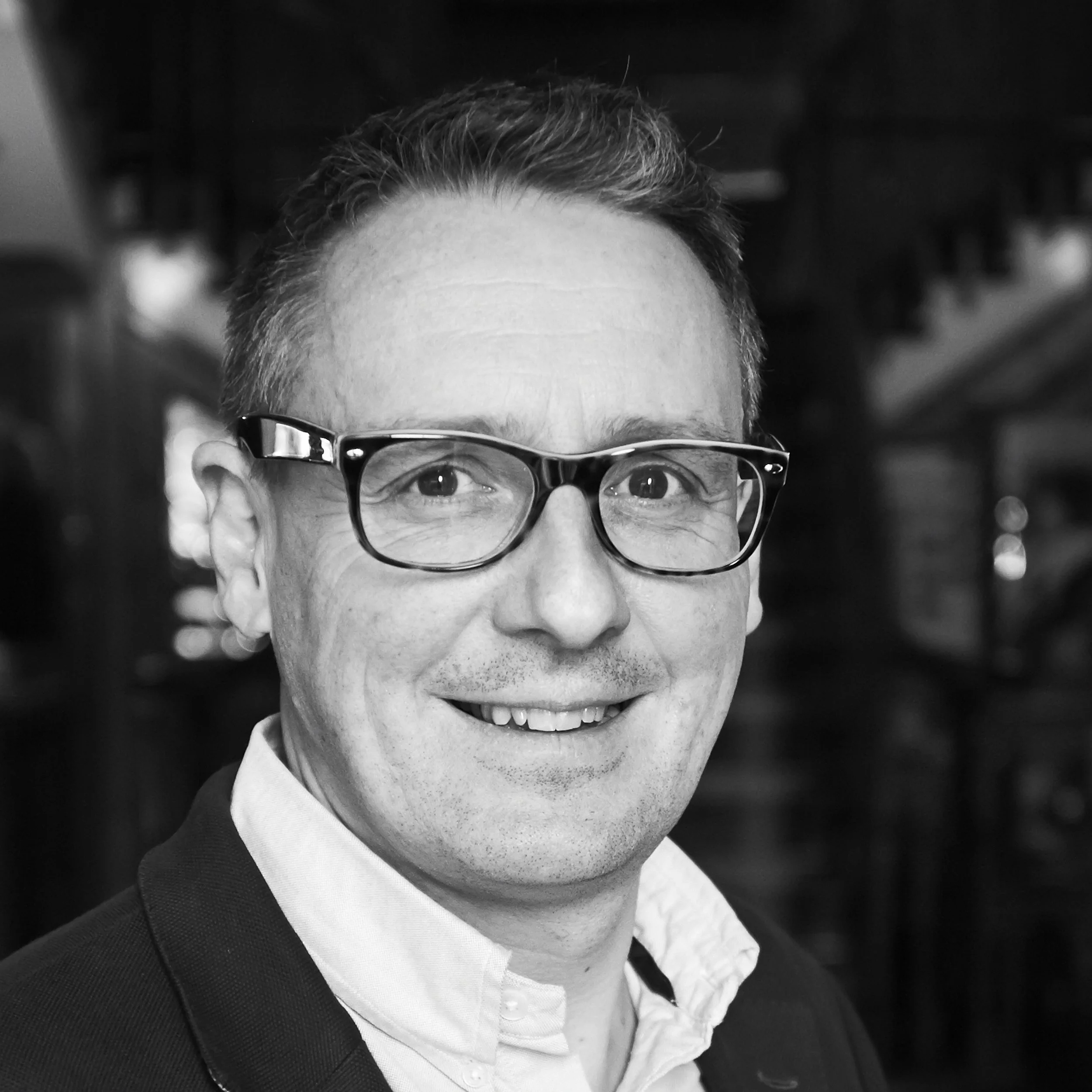
Laser physicist, geologist, chief risk officer, translator of science-speak
After having started his career as a research scientist at St Andrews, Colin trod the well-worn path to the City of London, where he has spent 30 years, initially as a consultant then principally in buy-side risk roles. His more recent posts include CRO of a major international investment house, an investment bank and a global inter-dealer broker and market venue provider. He was subsequently COO in an exchange start-up.
This background has given him plenty of time to become fed up with self-limiting and self-sabotaging thinking by senior business people, politicians and public alike. As he has observed uncritical credulity and herd-following grow to drown out questioning, reason and pragmatism in many debates with inevitably deleterious effects, he has found his tolerance of it diminish.
He feels it is time to apply his knowledge, efforts and energies to changing that and to confronting some of the major issues and challenges we face nationally and globally as we stride myopically and uncritically in to a brave new future world.
Colin will be the CEO of Futuresphere as well as the inaugural CEO of the commercial ventures — XPLN Media and ProSPEc.
Peter Bonisch
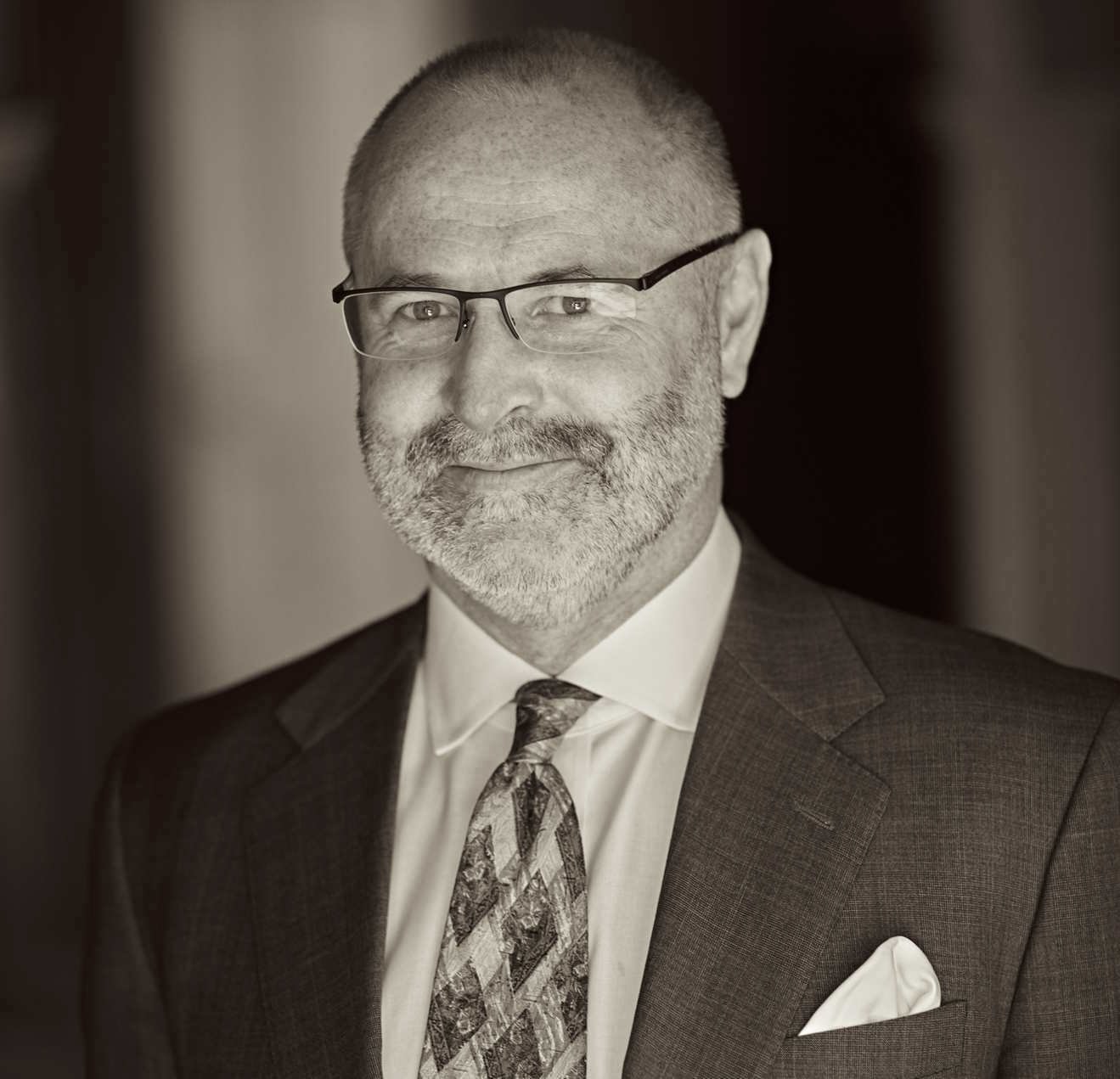
Political economist, strategy, uncertainty & governance consultant
Having been an innovator and disruptor right from the start of his career, Peter held development roles in the public sector, in banking, insurance and telecommunications before moving in to consulting. He has been a national practice leader and global innovator with a big-four chartered accounting firm and has advised companies and their boards around the world.
Settling in London (for the weather), he has spent 20 years leading boutique practices advising UK and global companies on strategy, uncertainty, risk and governance.
As well as an innovator, he has always been a skeptic and even a contrarian. Now, he has become frustrated at (a) the apathy and incuriousness of business people to knowledge and method in social sciences and (b) to the insouciance, hubris, vapidity and inaction of politicans in a world plagued by the rhetoric of post-truth sophistry. Although no prude, he realises it is time to start to prepare a new, more discreet wardrobe for the Emperor.
Peter will be the chief strategist of all ventures and policy lead at Futuresphere.
Mustafa Cavus PhD
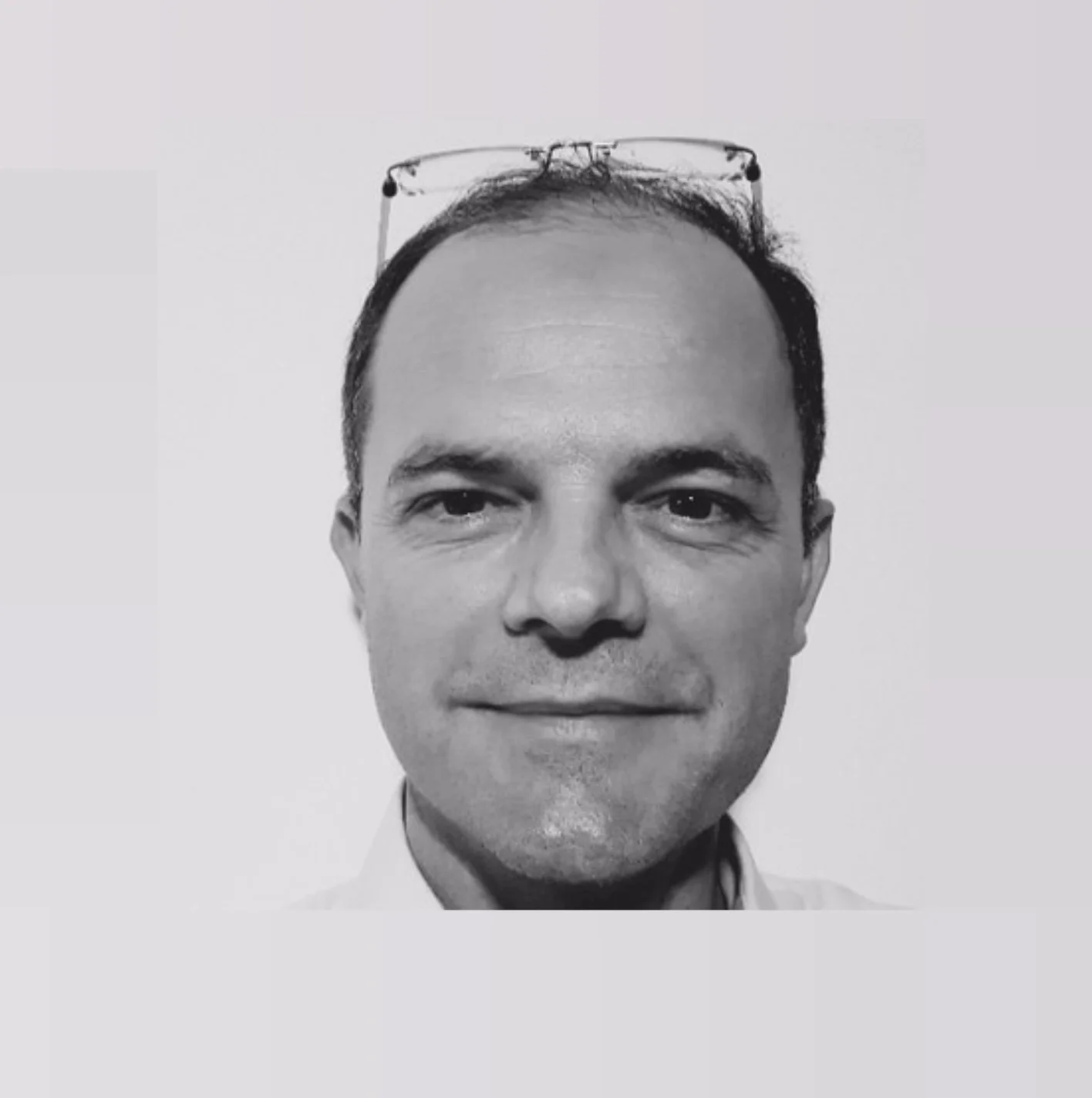
Economist, mathematian, risk guru, finance strategist, software developer
A published author and co-editor of the leading text in the then-emerging field of real optionality right from the beginning of his career, Mustafa has become one of the world's leading thinkers and developers in analysis of operational and enterprise-level risk in financial services and other sectors. In an industry dominated by complliance-oriented thought and practice, especially in risk, that has not always been an easy place to be. Mustafa's experience tells him that people want a solution, a number they can defend, rather than a pathway to further insight on uncertainty. This perception is even more applicable outside the financial sector, where analytic methods in risk have been painfully slow to emerge.
With his customary good humour, Mustafa has obliged, developing MC+ solutions for all risk types and enterprises. This comprehensive risk system offers users leading-edge analytic techniques in tractible, comprehensible and operable form.
Incredulous at how the world is tearing itself apart, he seeks to contribute his rare skills to create a more reasonable, more tolerant and more tenable world.
Mustafa will be the interim CFO of the initiative and curriculum development lead at UStJL ProSPEc.
How this team came together
Colin, Peter and Mustafa met variously over 20 years ago working in the field of risk and compliance with financial regulation in the City of London. However, each, in slightly different terms and from different disciplinary perspectives, became concerned that the commercial phenomenon of risk increasingly deviated from the economic understanding of risk and from the underlying phenomenon captured by risk — ontological and epistemic uncertainty and human incertitude.
In 2013, they collaborated with several other similarly concerned people to prepare the original incarnation of Futuresphere. However, the pressures of day jobs and generating income streams, and the failure to secure the necessary unding for Futuresphere as it was then envisaged, led to the exercise withering on the vine.
They collaborated again in 2014 on a proposal to a global advisory and consulting firm to establish a leading-edge risk consulting function based in London. The firm hired the more junior member of the proposed team, but the function proposal was not adopted.
Having suffered an acute, life-altering health event in 2018 which has left him with residual incapacities, Peter was needing to consider possibilities for returning to some form of productive activity in 2020. Then COVID intervened.
However, Colin, who had always been a fervent believer in the necessity for and prospects of Futuresphere, proposed ressurecting that initiative. Colin and Peter discussed what Futuresphere should do in a new incarnation and how it should do it. They quickly agreed another think tank was not cure the world’s growing problems, to polycrisis.
To consider what was really needed, they (metaphorically) pulled out a fresh sheet of paper. That is how Project Aurelius emerged.
It is an answer to the question: What would it take to create real policy change and a real change of ideational and social perspectives on uncertainty & incertitude in public policy and in the commercial world?
Rephrased: How can anyone change the world for the better and, within that, what must we do personally?
You are viewing our answer to those questions.